































Disclaimer: This article is a raw, unfiltered account of my experiences as a single man trying to find a date in Dubai. I must warn this post has been made entirely from a guy’s perspective which might make it seem biased. I definitely know and acknowledge that women face toxic men too, but this isn’t their story – this is mine. This isn’t a generalization, but a reflection of my personal experiences. If it resonates, great. If it ruffles feathers, even better. Bouquets or brickbats, both are welcome.
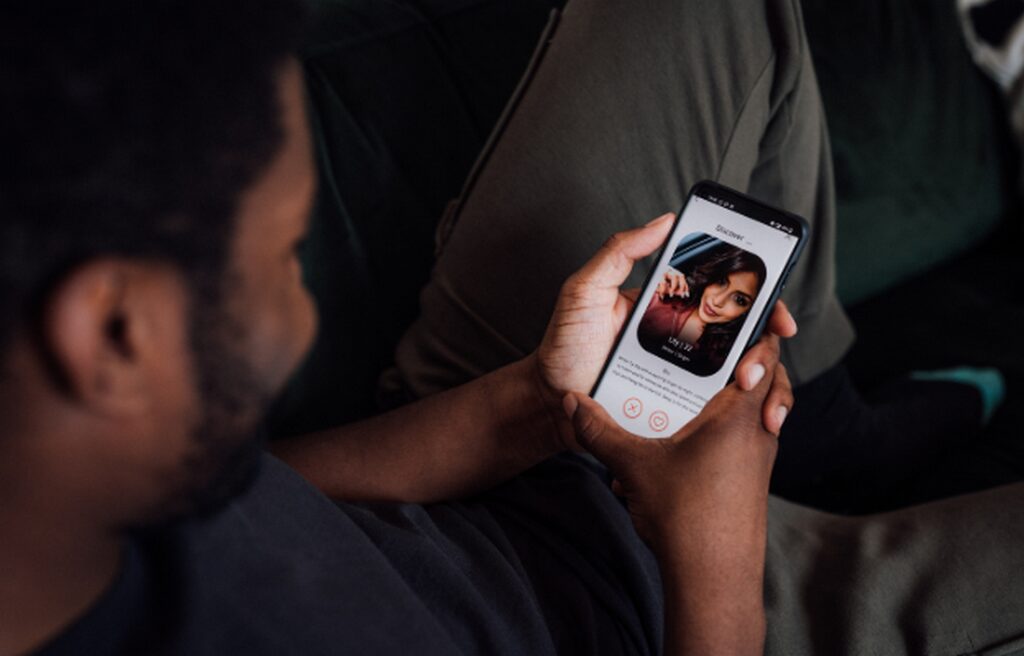
Let me start with a confession: I’ve been on almost every dating app you can ever think of. Tinder, Bumble, Inner Circle, Hinge – you name it, and I’ve been on it. Each one promised a chance at love (or at least something close to it). What I got instead was a crash course in modern-day dating chaos. To be honest, sometimes it felt less like looking for love and more like auditioning for the role of supporting character in someone else’s drama.
At first, I was hopeful. I mean, how hard could it be? Swipe, match, chat, and maybe even stumble into something meaningful. The whole process felt almost transactional in theory, like love had been streamlined into a few taps on a screen.
But in reality, it wasn’t that straightforward. Conversations felt layered, cautious, sometimes strategic. I met women who seemed guarded, indirect, or hesitant to say what they actually wanted. Plans would be hinted at but not confirmed, interest shown but not fully expressed. It wasn’t necessarily “games” in the childish sense but more like a dance of mixed signals, unspoken expectations, and cultural nuances that made every interaction feel more complex than the apps advertise. What I expected to be simple turned out to be anything but.
And then there are the expectations – which often feel far removed from reality. The default assumption seems to be grand gestures (Princess treatment) from the outset: picked up, chauffeured somewhere upscale, everything planned and paid for, then driven home at the end of the night. Rarely does the idea of meeting halfway – whether literally or financially – enter the equation.
Over time, it can start to feel one-sided, shaped by an unspoken script where one person is expected to impress, provide, and pursue, while the other simply evaluates. But real relationships aren’t built on silent obligations or entitlement. They grow from mutual effort, shared investment, and a willingness from both sides to show up equally – something that can feel surprisingly rare in the swipe-driven culture of modern dating.
To be fair, not every encounter was disappointing – I did meet a few genuinely interesting people along the way. But overall, the experience often felt less like a meaningful search for connection and more like stepping onto a stage where the storyline kept changing without warning. What should feel exciting and full of possibility can quickly become draining, as if you’re investing energy into something that rarely moves beyond the surface.
Over the past few years, I approached dating with optimism, patience, and a sincere belief that something real could come from it. Yet time and again, just as a connection began to feel promising, cracks would appear. Modern dating sometimes feels less focused on building something lasting and more about navigating inconsistencies, mixed signals, and unspoken intentions. Instead of simply getting to know someone, it can feel like you’re constantly assessing, filtering, and protecting yourself – hoping that in the process, you don’t become too cynical to recognize something genuine when it finally appears.
I’m speaking purely from personal experience. Over time, certain patterns began to surface – moments where I felt less like a potential partner and more like I was being cast into a role. There were instances where I was treated as convenient transport, as financial security, or as someone expected to fund a lifestyle. Being a food blogger added another layer; at times it felt as though the interest was less about me and more about access – invitations, venues, experiences that came with the territory.
There were also invitations to meet at upscale spots in areas like Downtown or DIFC that initially seemed innocent enough. Yet occasionally, the dynamic felt transactional – extravagant orders, a sudden disappearance when the bill arrived, and the uncomfortable sense that the evening had been orchestrated for reasons beyond genuine connection. Whether exaggerated or not, the impression lingered that some encounters were more strategic than sincere.
In other situations, I found myself positioned as emotional support rather than a romantic prospect – late-night calls, reassurance, a steady presence during someone else’s healing process. And once that chapter in their lives shifted, so did their interest.
Then there were moments that crossed into territory I hadn’t signed up for at all – proposals for secrecy, casual arrangements, or being part of someone else’s complicated circumstances. I chose not to entertain any of it, but being placed in those positions was enough to reinforce a growing realization: in the modern dating landscape, clarity of intention can be surprisingly rare, and not every connection is built on the same understanding of what dating is meant to be.
The Games I Won’t Play
Why Dating Feels So Difficult in 2026
So why does modern dating feel like climbing Mount Everest in flip-flops? Here are the biggest reasons:
The Paradox of Choice
Apps have turned dating into an endless buffet. Swipe left, swipe right, keep scrolling – there’s always the illusion of someone “better” around the corner. Instead of nurturing one real connection, people keep searching for the “perfect” one, forgetting that perfection doesn’t exist.
Fear of Commitment
Commitment has become a terrifying word. People love the idea of love, but not the responsibility. Ghosting has become the easy exit strategy- why have a tough conversation when you can just vanish?
Lack of Emotional Availability
We’re living in stressful times. From past traumas to personal struggles, many people aren’t emotionally ready to connect, even if they say they are. It’s easier to distract yourself with casual dating than to actually face your own walls.
Lack of Emotional Attachment
Casual has become the new normal. Situationships are everywhere – more than friends, less than partners, just floating in the in-between. Deep emotional connection is often avoided because it’s considered “too heavy.”
Changing Norms
Our parents’ generation had simple definitions: you dated, you fell in love, you got married. Now it’s a whirlwind of labels – open relationships, situationships, slow dating, conscious uncoupling. Half the time, you need a glossary just to understand what the person across the table means.
Unrealistic Expectations
Social media has set the bar sky-high. People don’t just want love – they want “Instagrammable love.” Perfect dates, filtered selfies, exotic vacations. Reality? Messy schedules, bad moods, real flaws. The chase for perfection kills genuine connection.
Busy Life
We’re all hustling. Between work, side gigs, and personal ambitions, love often gets pushed to the bottom of the to-do list. Dating feels like an afterthought squeezed between meetings and errands.
Fear of Vulnerability
Opening up means risking rejection. It’s safer to keep things surface-level, flirt on text, and never really show your true self. Vulnerability is the price of intimacy, but too many people aren’t willing to pay it.
Lack of Genuine Connection
We talk more than ever, but we connect less. Conversations skim the surface – small talk, memes, quick replies. Rarely do you meet someone who actually listens, shares, and connects beyond the phone screen.
The New Dictionary of Modern Dating
Dating in 2026 comes with its own set of rules and its own strange vocabulary. If you’re out there, you’ll probably run into these terms (and unfortunately, the realities they represent):
Ghosting: Vanishing without explanation (the oldest trick in the modern dating book).
Breadcrumbing: Dropping occasional hints of interest with no real intent.
Benching: Keeping you as “backup” while exploring others.
Orbiting: Not talking to you, but watching all your Instagram stories.
Cushioning: Keeping side flings in case the main one falls apart.
Zombieing: A ghost who suddenly reappears months later.
Love Bombing: Overwhelming affection at the start, then a cold withdrawal.
Dry Texting: One-word replies that feel like pulling teeth.
Situationships: Relationship without clarity, direction, or commitment.
Stashing: Hiding you from their family and friends.
Slow Fading: Instead of breaking up, they gradually reduce contact until you disappear.
What Makes It Worse in 2026
Technology hasn’t simplified dating – it’s made it worse. AI-driven apps now give you compatibility percentages, personality scores, and endless filters. Instead of making love feel more human, it makes people feel more disposable.
Social media hasn’t helped either. Relationships are curated for likes and stories, but when the filters come off, the connection often crumbles. And let’s not forget FOMO – the fear of missing out. People hesitate to commit because they think someone “better” might show up tomorrow. It’s like shopping during a sale – you’re always waiting for the next upgrade.
My Takeaway
So, Where Do You Go From Here?
-
Set Boundaries: If someone treats you like a driver, ATM, or secret fling—walk away.
-
Seek Clarity Early: Don’t waste time. Ask upfront what they’re really looking for.
-
Detach from Swipe Culture: Apps don’t define your worth.
-
Value Real Connection: Find people who want you, not your benefits.
Pitfalls to Avoid While Dating in Dubai - PRO Tips
-
Sugar Daddy Seekers – Some women are only on apps or in social circles hunting for financial providers, not partners.
-
Bill Scam Setups – Beware of “let’s meet in DIFC” dates that end with you footing a huge bill while they vanish or split commission with the restaurant.
-
Professional Daters – Women who date multiple men at once purely for free meals, rides, or gifts.
-
The Driver Trap – Those looking for a free chauffeur service, calling you only when they need a ride.
-
The Borrower – Dates who start small (“just AED 200 till tomorrow”) but it turns into a cycle of financial dependence.
-
Married & Hiding It – People pretending to be single while actually married, just looking for a fling or secret arrangement.
-
Emotional Unavailability – Those who want the attention and validation, but disappear the moment things get serious.
-
Clout Chasers – Dating you because you’re a blogger, entrepreneur, or public figure, hoping to get exposure or perks.
-
Option 2, 3, or 4 – You’re not “the one,” you’re just the backup plan when their preferred choices don’t work out.
-
Scammers & Catfishers – Fake profiles, fake intentions – some even looking for money transfers or “investment opportunities.
Dating Apps, Valentine’s Day, and the Pressure to Perform
As Valentine’s Day rolls around, there’s this extra weight in the air for singles. If you’re relying on dating apps, the pressure to “find someone” can feel suffocating. And it’s not just in your head – studies show that frequent app use can actually take a toll on your mental health. According to research from Flinders University, many dating app users report higher levels of anxiety and depression compared with non-users. Ghosting, mixed signals, and endless swiping all add up, leaving people drained and emotionally exhausted.
This isn’t surprising. Valentine’s Day alone magnifies the stress of being single – unmet expectations, seeing couples everywhere, and wondering why you’re still swiping without results. Apps are supposed to make connection easier, but they often do the opposite. They keep you endlessly scrolling, chasing matches, and hoping for validation rather than genuine companionship.
Researchers describe what many of us already feel: emotional burnout. Constantly being judged by photos, brief chats, or someone disappearing mid-conversation isn’t just frustrating – it chips away at self-esteem. Over time, even the most hopeful singles start to feel like dating isn’t about finding love at all – it’s about surviving the chaos of attention-seeking, game-playing, and ghosting.
Dr. Hannah Nearney, a clinical psychiatrist in the UK, puts it bluntly: the pressure to find a connection during Valentine’s Day can push people into relationships that aren’t fulfilling, just for the sake of “validation.” And when society nudges us to never be alone, apps can easily become less a tool for meeting someone meaningful and more an emotional crutch, a habit, a source of stress.
It’s a pattern many of us recognize: compulsive app use, repeatedly deleting and reinstalling, obsessively checking for messages or matches. That constant preoccupation can spiral, leaving anxiety, low mood, and even impulsive decisions in its wake. What started as a search for connection becomes a test of endurance – how much attention, effort, or rejection can you handle before it starts to feel impossible?
And let’s be honest: expectations don’t make it easier. Around this time of year, single people are bombarded with reminders that love “should” look a certain way. Studies even show spikes in loneliness, anxiety, and distress in the days leading up to Valentine’s Day, especially among young adults and women, reflecting the very real pressure to meet romantic ideals. For those on apps, the holiday often magnifies disappointment and unmet hopes.
The truth is, love isn’t just about a swipe or a match. It doesn’t come in a notification or a perfectly curated profile. It’s about real connection, effort, and honesty – qualities that apps reward inconsistently at best. And while digital validation can feel addictive, the real work of feeling seen and cared for comes from friendships, community, and everyday moments of connection outside the screen.
Valentine’s Day, in that sense, can be reframed. It’s not a countdown to being coupled – it’s a reminder to invest in yourself, in your mental health, and in the people who genuinely matter. Practicing self-compassion, staying present in real life, and building stable, supportive relationships protects well-being far more than chasing fleeting attention online ever could.
The apps will always be there, but if modern dating is exhausting you, stepping back isn’t defeat – it’s clarity. Sometimes the bravest thing you can do is accept that this game isn’t for you, at least not right now, and focus your energy on what truly sustains you: self-respect, meaningful connection, and life beyond the screen.